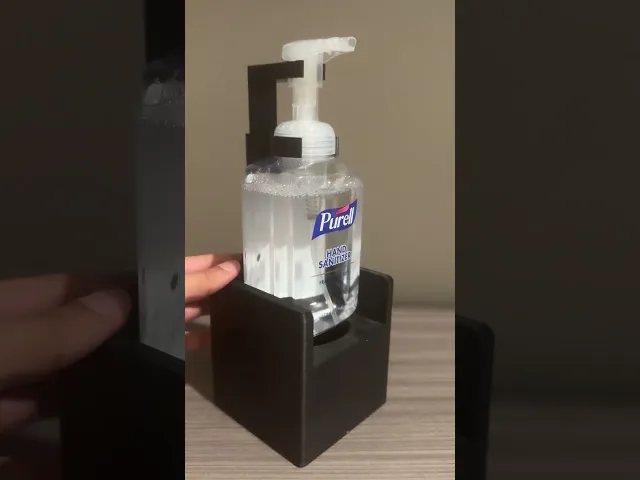
Hand Hygiene Reminder Light for Central Line Care at CHOP
A battery-powered light that reminds nurses to clean their hands before central line care, developed through five prototypes with Children's Hospital of Philadelphia nursing teams.
Role
Product Design Engineer
Industry
Healthcare
Duration
3 Months

Overview
At Children's Hospital of Philadelphia (CHOP), I designed a battery-powered light that reminds nurses to clean their hands before they access a central line, a step that helps prevent central line-associated bloodstream infections (CLABSI). Working with CHOP's Innovation Catalysts program and its nursing teams, I took the device through five prototype versions, each shaped by feedback from the people who would use it.
At a glance
5 prototype versions, from first print to in-hospital testing
10 CHOP nurses tested the latest version in September
Faculty and nurse feedback drove the major design changes
Battery powered, so no outlet is needed
A mechanical shutoff with no sensors or firmware
V5 prototype: pressing the pump moves a shaft that switches the light off.
A Hand Hygiene Reminder That Fits How Nurses Already Work
CHOP wanted a visual reminder to clean hands before central line access, without adding another alarm. It had already tried a remote-controlled light, and nurses responded well. My job was to turn that idea into a device that holds up in a real patient room.
Where the light fits in a nurse's workflow
Scan the patient wristband
Scan the medication
Scan the pump
Check against the medication record
Send the details to the pump
Clean hands (this is where the light cues)
Scrub the hub before the line is accessed
User Research and Needs Discovery
No plugs or USB: outlets are reserved for medical equipment, so the light runs on batteries
Alarm fatigue: nurses already hear many alarms, so the cue is light only, with no sound
Color: red can read as an alarm, so green and blue were preferred, and a dimmable light suits night rooms
Crowded desks: workstations are already full, so the holder has to stay compact
Unattended use: the device has to work without its designers present, so it grips the bottle at two points
Five Versions, Each Built on What the Last One Taught
I designed each version in OnShape, 3D printed it, and checked fit, function, and nurse reactions before changing the next.
V1: Two form factors
Boxy holder: easy access to the light, but the bottle was hard to see
Rounded holder: the whole bottle visible, but the light was hard to reach
Learned: the bottle sat loose, and an opaque base hid the fluid level
Next: combine bottle visibility with easy light access.
V2: A window and a tighter grip

V2: a front window to see the fluid level, a back slot for the light, and a tighter snap fit on the bottle neck.
Learned: the grip improved, and the light slot needed more room.
V3: Easier light replacement

V3: a wider slot at the base so the light slides out, plus a support post at the back.
Why: nurses asked for a light that is easy to replace.
V4: The first mechanical shutoff

V4: two clasps and a movable shaft that presses the light's button.
Why: nurses wanted the light to turn off when sanitizer is dispensed.
Learned: the shaft needed more reach. The light's button cycles through colors and turns it off in a single press only from blue, so the device starts on blue.
V5: A shutoff in sync with the pump
Lengthened the connector so the button presses down in step with the pump
How the Shutoff Works
Lift the shaft to its top and slide the bottle in, so nurses do not need to align heights
Press the pump: the shaft moves down with it
The shaft presses the light's own button, switching the light off
In the prototype, a remote switches the light on, standing in for a future trigger from the hospital's electronic health record. The shutoff itself is purely mechanical, with no sensors or firmware. To fit two bottle neck sizes (1.7 and 0.9 inches), I sized the snap-fit grip as a percentage of the neck diameter instead of reusing one absolute value.
Testing With CHOP Nurses
July 8: visited CHOP to see the workflow and workspace first-hand
July 13: presented the first prototypes to CHOP nurses. They asked for a light that switches off when sanitizer is dispensed, a light that is easy to replace, and a clip-on mount for IV poles
August 4: V5 and a demo video were shared at CHOP's CLABSI Day. CHOP reported that it went well, with feedback in line with earlier rounds, and asked for in-room testing next
September 11: my teammate and I tested V5 with 10 nurses in single-patient and bay rooms at CHOP

Testing V5 with CHOP nurses on September 11.

Testing V5 on the Workstation on Wheels (WoW) setup.
Feedback from 10 Nurses on Our V5 Design
Attention: any color caught the eye without feeling cluttered, and several nurses reacted positively to the light itself
Color: preferences varied across red, green, and customizable, so color should be configurable. Green stands out against the blue tones of some rooms
Size: a bit big, and tall enough on a computer cart (workstation on wheels) to cover part of the screen
Placement: computer cart, bedside cart, or wall near the cart all came up
Timing: the best moment for the light is when the details are sent to the pump
New idea: a 20-second timer mode that guides handwashing and lights up for any sanitizer use, not only when triggered from the health record
Dose: a full pump gives more sanitizer than needed
What Comes Next
A smaller version
Configurable colors
An optional 20-second timer mode
Mounting options for the cart, bedside, and wall, including a pole clip
In-room testing at CHOP during real care
Longer term: a trigger from the electronic health record, and sensing sanitizer use
Three Things I Took From It
Design with the people who use it. Nurse feedback changed the device repeatedly, and the best ideas, like the handwashing timer, were ones I had not considered.
Constraints are part of the design. Battery power, no sound, and a crowded desk each shaped the device as much as the mechanism did.
Small prototypes teach fast. Each print answered one question about fit, visibility, light access, or shutoff, and the next version fixed it.
Credits: Children's Hospital of Philadelphia (CHOP) Innovation Catalysts program and nursing teams. Penn faculty sponsor: Professor Sarah Rottenberg. Teammate: Yunbin Wang.
Overview
At Children's Hospital of Philadelphia (CHOP), I designed a battery-powered light that reminds nurses to clean their hands before they access a central line, a step that helps prevent central line-associated bloodstream infections (CLABSI). Working with CHOP's Innovation Catalysts program and its nursing teams, I took the device through five prototype versions, each shaped by feedback from the people who would use it.
At a glance
5 prototype versions, from first print to in-hospital testing
10 CHOP nurses tested the latest version in September
Faculty and nurse feedback drove the major design changes
Battery powered, so no outlet is needed
A mechanical shutoff with no sensors or firmware
V5 prototype: pressing the pump moves a shaft that switches the light off.
A Hand Hygiene Reminder That Fits How Nurses Already Work
CHOP wanted a visual reminder to clean hands before central line access, without adding another alarm. It had already tried a remote-controlled light, and nurses responded well. My job was to turn that idea into a device that holds up in a real patient room.
Where the light fits in a nurse's workflow
Scan the patient wristband
Scan the medication
Scan the pump
Check against the medication record
Send the details to the pump
Clean hands (this is where the light cues)
Scrub the hub before the line is accessed
User Research and Needs Discovery
No plugs or USB: outlets are reserved for medical equipment, so the light runs on batteries
Alarm fatigue: nurses already hear many alarms, so the cue is light only, with no sound
Color: red can read as an alarm, so green and blue were preferred, and a dimmable light suits night rooms
Crowded desks: workstations are already full, so the holder has to stay compact
Unattended use: the device has to work without its designers present, so it grips the bottle at two points
Five Versions, Each Built on What the Last One Taught
I designed each version in OnShape, 3D printed it, and checked fit, function, and nurse reactions before changing the next.
V1: Two form factors
Boxy holder: easy access to the light, but the bottle was hard to see
Rounded holder: the whole bottle visible, but the light was hard to reach
Learned: the bottle sat loose, and an opaque base hid the fluid level
Next: combine bottle visibility with easy light access.
V2: A window and a tighter grip
V2: a front window to see the fluid level, a back slot for the light, and a tighter snap fit on the bottle neck.
Learned: the grip improved, and the light slot needed more room.
V3: Easier light replacement
V3: a wider slot at the base so the light slides out, plus a support post at the back.
Why: nurses asked for a light that is easy to replace.
V4: The first mechanical shutoff
V4: two clasps and a movable shaft that presses the light's button.
Why: nurses wanted the light to turn off when sanitizer is dispensed.
Learned: the shaft needed more reach. The light's button cycles through colors and turns it off in a single press only from blue, so the device starts on blue.
V5: A shutoff in sync with the pump
Lengthened the connector so the button presses down in step with the pump
How the Shutoff Works
Lift the shaft to its top and slide the bottle in, so nurses do not need to align heights
Press the pump: the shaft moves down with it
The shaft presses the light's own button, switching the light off
In the prototype, a remote switches the light on, standing in for a future trigger from the hospital's electronic health record. The shutoff itself is purely mechanical, with no sensors or firmware. To fit two bottle neck sizes (1.7 and 0.9 inches), I sized the snap-fit grip as a percentage of the neck diameter instead of reusing one absolute value.
Testing With CHOP Nurses
July 8: visited CHOP to see the workflow and workspace first-hand
July 13: presented the first prototypes to CHOP nurses. They asked for a light that switches off when sanitizer is dispensed, a light that is easy to replace, and a clip-on mount for IV poles
August 4: V5 and a demo video were shared at CHOP's CLABSI Day. CHOP reported that it went well, with feedback in line with earlier rounds, and asked for in-room testing next
September 11: my teammate and I tested V5 with 10 nurses in single-patient and bay rooms at CHOP
Testing V5 with CHOP nurses on September 11.
Testing V5 on the Workstation on Wheels (WoW) setup.
Feedback from 10 Nurses on Our V5 Design
Attention: any color caught the eye without feeling cluttered, and several nurses reacted positively to the light itself
Color: preferences varied across red, green, and customizable, so color should be configurable. Green stands out against the blue tones of some rooms
Size: a bit big, and tall enough on a computer cart (workstation on wheels) to cover part of the screen
Placement: computer cart, bedside cart, or wall near the cart all came up
Timing: the best moment for the light is when the details are sent to the pump
New idea: a 20-second timer mode that guides handwashing and lights up for any sanitizer use, not only when triggered from the health record
Dose: a full pump gives more sanitizer than needed
What Comes Next
A smaller version
Configurable colors
An optional 20-second timer mode
Mounting options for the cart, bedside, and wall, including a pole clip
In-room testing at CHOP during real care
Longer term: a trigger from the electronic health record, and sensing sanitizer use
Three Things I Took From It
Design with the people who use it. Nurse feedback changed the device repeatedly, and the best ideas, like the handwashing timer, were ones I had not considered.
Constraints are part of the design. Battery power, no sound, and a crowded desk each shaped the device as much as the mechanism did.
Small prototypes teach fast. Each print answered one question about fit, visibility, light access, or shutoff, and the next version fixed it.
Credits: Children's Hospital of Philadelphia (CHOP) Innovation Catalysts program and nursing teams. Penn faculty sponsor: Professor Sarah Rottenberg. Teammate: Yunbin Wang.
Other projects

Closed Loop Control for a Novel Steerable Surgical Needle
A stereo computer vision system that follows a tape-spring steerable needle through gel, built at Penn's GRASP Lab (ModLab) with Prof. Mark Yim.

Imitation Learning on a 6DoF Robot Arm: Peg Transfer
An independent project: collecting demonstrations on an SO-101 arm and comparing ACT, Diffusion Policy, and SmolVLA on a peg transfer task inspired by surgical training.

Cup Tracking for a Multi-Robot Trail Mix Line
Building a ROS vision module that tells four robot arms where every cup is, from AprilTag detection to a full live demo.
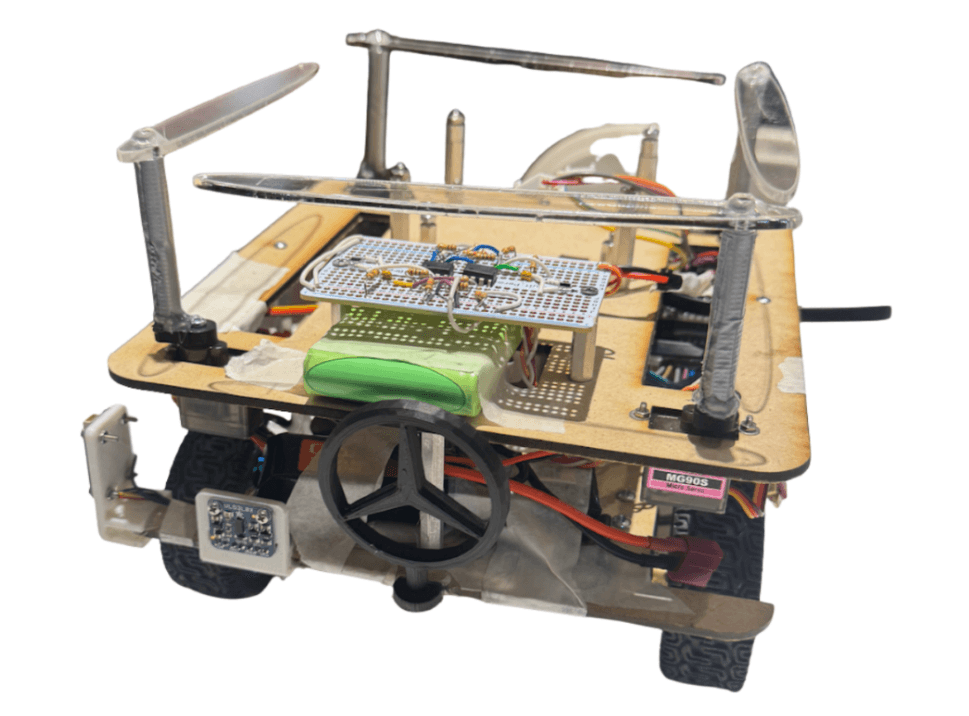
Autonomous Car
Designing and building an autonomous mobile robot with real-time control, localization, and sensing, from system architecture to competition-ready deployment.
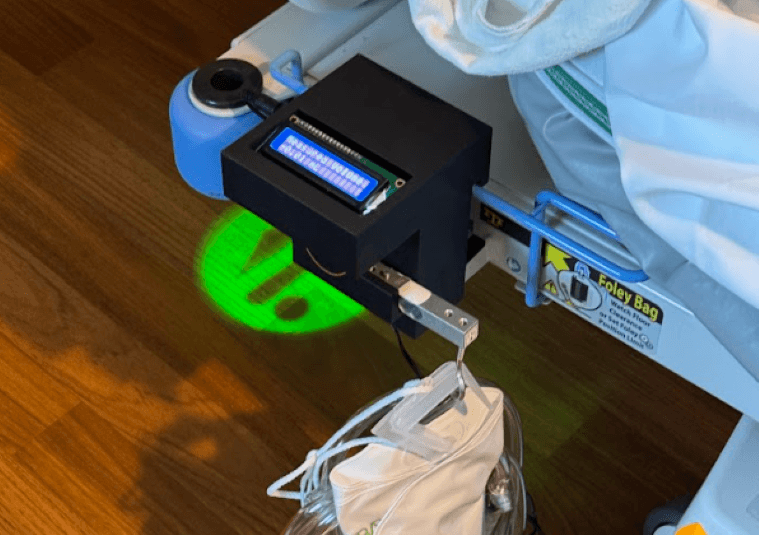
Biofluid Analyzer
Developing a compact bedside urine output monitoring system for critical care, from clinician pain point to deployed prototype and formal pilot study.
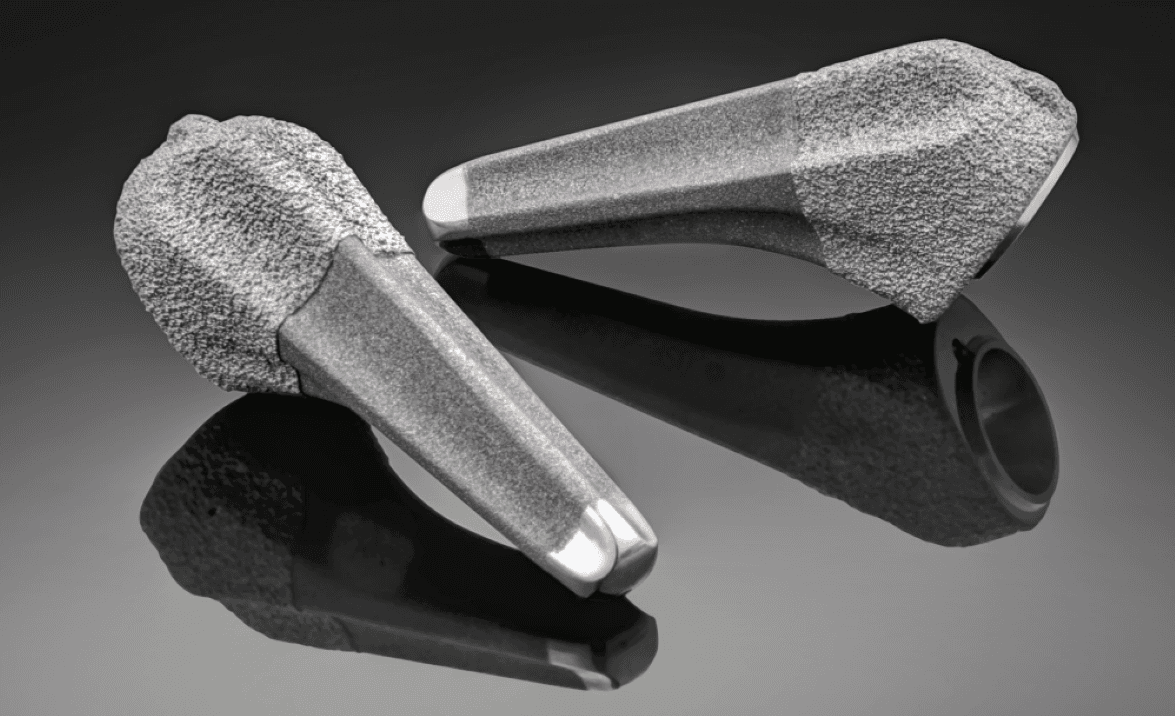
Orthopedic Product Development at Exactech
Led surgeon-driven instrument and implant development across CAD, DFM, testing, manufacturing, and 510(k) support through 7 concurrent projects.

Arco: Transformable Desk for Small-Space Living
Arco is a configurable desk system designed for students living in small spaces, created to help people physically and mentally transition between modes throughout the day.

Product Growth at PrimeEventZ
Leading product definition and real-world deployment of PrimeEventZ, an AI-powered platform unifying event operations from planning through execution at any scale.